Aug 18, 2026Services Overview
What Brand Owners Must Know Before Sourcing Smell-Proof Mylar Bags for Tobacco Products
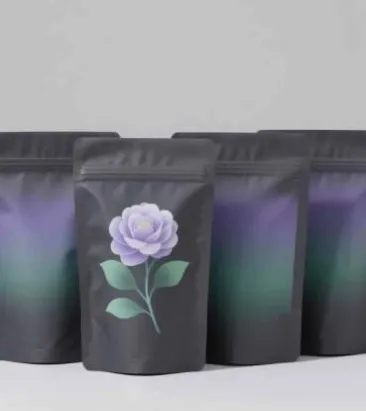
When you’re sourcing packaging for tobacco products, it’s easy to focus on the price first. But once you start dealing with real orders, you quickly realize that the cheapest bag isn’t always the best choice.
For tobacco brands, packaging needs to do several jobs at the same time: control odor, protect the product, survive shipping and handling, and still look good enough to represent your brand.
So, what should you actually look for before placing an order?
1. Smell-Proof Performance Comes First
Tobacco has a strong and recognizable aroma, especially when it comes to flavored or specialty products. If the packaging doesn’t provide a reliable barrier, odor can gradually escape during storage and transportation.
A quality smell-proof Mylar bag normally uses a multi-layer structure designed to provide strong protection against odor, moisture, air, and light.
But don’t simply trust the words “smell-proof” on a product description.
Ask your supplier about the material structure, sealing method, and actual performance. If possible, order samples and test them yourself before moving to mass production.
2. The Material Structure Matters
Not every Mylar bag is built the same way.
Different applications may require different combinations of barrier films, thicknesses, and inner layers. A stronger structure can provide better durability and protection, but it may also increase the cost.
For brand owners, the goal isn't to buy the thickest bag available. It’s to find the right balance between:
- Barrier performance
- Durability
- Flexibility
- Appearance
- Cost
A good supplier should be able to explain these differences instead of simply giving you a price per piece.
3. Choose the Right Closure
The closure is another detail that can make a big difference.
A zipper provides convenience because customers can open and reseal the bag. A heat seal provides a stronger initial closure and can help improve odor and product protection.
For some applications, combining both makes sense: use a heat seal for the original package and a zipper for convenient resealing after opening.
The right choice depends on how your product will be packaged, transported, displayed, and used.
4. Don't Ignore Size and Thickness
A bag that is too large can make your product look poorly presented. A bag that is too small may put unnecessary pressure on the contents.
The same applies to thickness.
If the bag is going through long-distance shipping or frequent handling, durability becomes more important. If you're targeting a premium retail market, the thickness and overall feel of the bag can also affect how customers perceive your brand.
Before ordering, consider the actual product size, filling method, storage conditions, and shipping environment.
5. Think About Your Brand, Not Just the Bag
For brand owners, packaging is part of the product.
A plain bag may work perfectly well from a functional perspective, but custom printing can turn that same packaging into a marketing tool.
You can customize:
- Logo and brand graphics
- Bag size and shape
- Matte or glossy finish
- Zipper and tear notch
- Front and back printing
- Special effects and finishes
The key is not to make the design complicated. A clean, recognizable package usually works better than one overloaded with graphics and information.
6. Ask About Compliance Before Production
Packaging requirements can vary depending on the product and market.
Before production, make sure you understand the applicable requirements for labeling, warnings, packaging format, and other relevant regulations in your target market.
This is especially important for brands selling across different regions. Don't assume that packaging accepted in one market will automatically meet the requirements of another.
Your packaging supplier can help with material and production questions, but final regulatory responsibility should always be checked against the rules that apply to your specific products and market.
7. Don't Make Price the Only Deciding Factor
Let's be honest — everyone wants a better price.
But a small difference in unit cost can become expensive if the bags arrive with inconsistent printing, weak seals, poor odor control, or unexpected defects.
When comparing suppliers, look at the whole picture:
Material + quality + customization + consistency + communication + delivery
A supplier who can provide stable quality and solve problems quickly may ultimately save you more money than a supplier offering the lowest initial quotation.
8. Always Test Before a Large Order
This is probably the simplest piece of advice we can give.
Get samples first.
Test the bags with your actual tobacco products. Check:
- Odor retention
- Seal strength
- Zipper performance
- Material feel
- Printing quality
- Size and filling efficiency
- Performance during storage and transportation
A sample can tell you things that a product specification sheet simply can't.
Final Thoughts
Choosing smell-proof Mylar bags isn't just about finding a bag that looks good and fits your budget.
For a serious tobacco brand, the right packaging should protect the product, control odor, support your brand image, and perform consistently from production to the customer's hands.
Take the time to compare materials, test samples, and communicate your actual requirements with your supplier. It can save you a lot of trouble later.
Let's Talk
If you're sourcing smell-proof Mylar bags for tobacco products and aren't sure which material, size, thickness, or closure is right for your market, feel free to contact us.
We’re happy to discuss your requirements, provide samples, and work through different options with you. Sometimes the best packaging solution comes from a simple conversation before the order is placed.